The exhibition catalogue · Waypoints for museums

Every exhibit has a story it's never been able to tell.

A visitor walks up to a bronze, a painting, a fossil — and taps the small mark beside the label. The exhibit itself speaks, answers, and remembers. In the phone's browser. No download, no audio wand, no headset at the coat check.

Tap · scan · walk up — it opens in the browser

The Great Hall · Stop 01
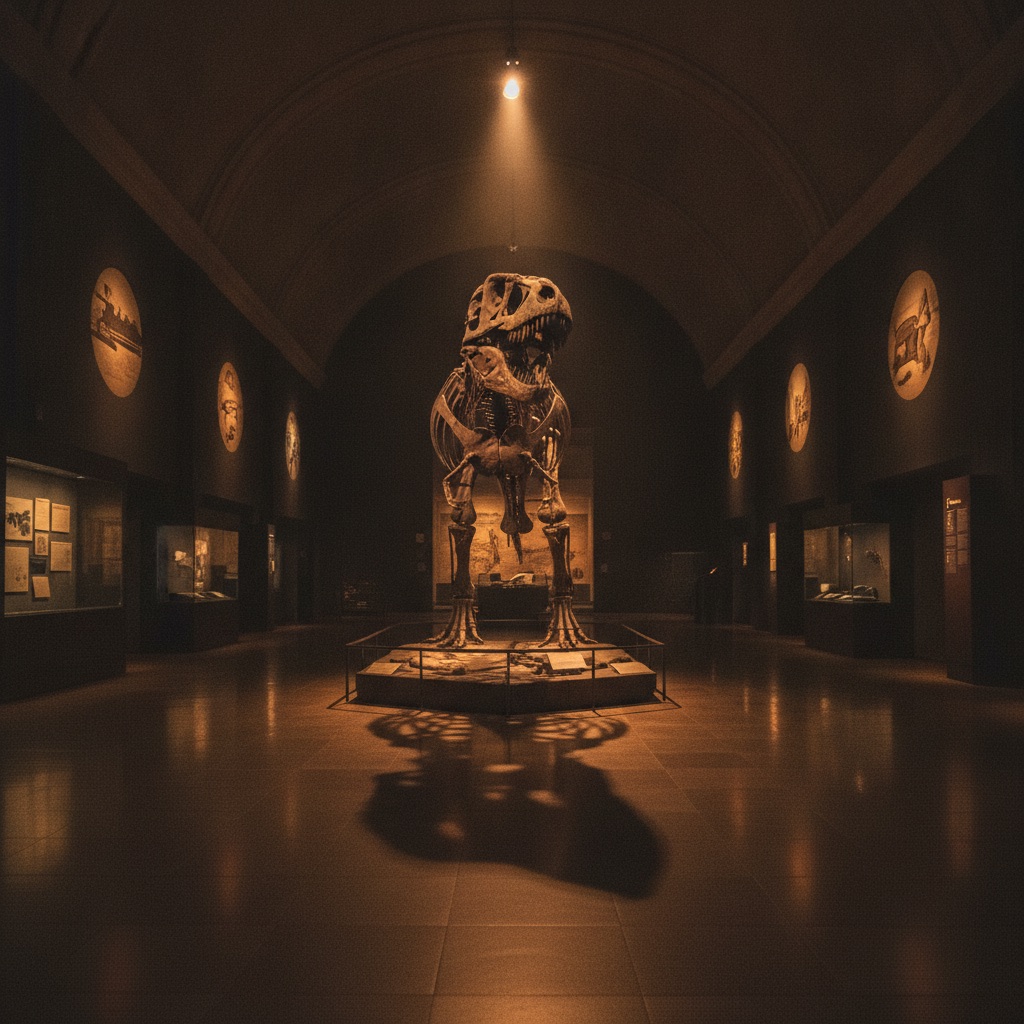
A quiet museum gallery — marble hall, framed works, a sculpture on a plinth under warm light
Tyrannosaurus rex
Fossil mount · The Great Hall

Sixty-six million years old — and as of this morning, finally taking questions.

This exhibit answers questions
Plate I · The gallery, ready to speak
No download. Ever.
QR · NFC tap · link — opens in the phone browser
Your files only
Answers come from the curator's records, never a web guess
Any language
Narration & answers translate with one click
Live in seconds
Rotate an exhibit, edit the stop — nothing goes to the printer
Gallery I
The moments every museum loses

Your visitor is standing right there,
full of questions no label can hold.

Three moments, every single day, in every gallery. Each one ends with a shrug — or it ends with a conversation.

Moment i
Before the painting
Ninety seconds of looking. Then what?
  • Hear its story — narrated in their own language
  • Ask who made it — and why, and what it cost him
  • What to see next — the painting two rooms over that answers this one
Wall label 44 × 44 mmAcc. 2026.011
Moment ii
At the bronze
A kid tugs a sleeve: “what is it?”
  • Its recovery story — lost, found, and how it got here
  • The era around it — what the world looked like the year it was cast
  • A kids' version — same story, told for an eight-year-old, on request
Plinth-mounted markAcc. 2026.012
Moment iii
At the exit
The glow of a great visit — spending itself in the parking lot.
  • The deeper story — the curator's take, offered while the wonder is still warm
  • The neighborhood walk — the history two blocks from the door
  • The kids' quest — the dinosaur their kid won't stop hunting for
Exit corridor · eastAcc. 2026.013

Waypoints puts a quiet mark beside every label — and each of these moments becomes the exhibit answering for itself.

Gallery IICatalogue raisonné · entries 01–05
What an exhibit can do now

Not features. Faculties.

Once a Waypoint stands beside the label, the object stops being something visitors read about — it becomes something they talk with.

Cat. 01Answers

Ask it anything. It cites your curator.

Every answer is drawn from the museum's own records — the curatorial file, the conservation notes, the docent script. If it isn't in your files, the exhibit says so. Never a generic web guess standing in front of your collection.

Provenance: your documents, verbatim
Cat. 02Speaks

Narration in any language, one click.

A warm AI voice reads each stop aloud — the story, not the placard. A family from São Paulo hears it in Portuguese; the school group from Houston gets the kids' cut. No headsets to sanitize, no wands to charge.

Audio guide · retired the hardware
Cat. 03Inspires

A stamp in every gallery. Kids finish the building.

Scavenger hunts across the wings, a collectible stamp for each gallery, badges that pull a nine-year-old past the hall they'd have skipped. The last room gets seen because the collection isn't complete without it.

Stamp art drafted by the Studio
Cat. 04Guides

The deeper tour, at the moment of curiosity.

A self-guided themed tour, the curator's own commentary, the neighborhood history walk, a kids' explorer quest — surfaced on the same screen, right when the visitor is most in love with the place. Not in a follow-up email three days after the feeling faded.

Development office · new best friend
Cat. 05Stays current

Rotate the exhibit. Never reprint the wall.

New loan in Gallery III? Edit the stop once and it's live at the frame in seconds — label, narration, quiz, stamp, every language. The printer never hears about it.

Updates · instant, building-wide
Gallery IIIA phone, in hand, in the hall of paleontology
The conversation, verbatim

“Is this a real skeleton?”

Every docent has answered it a thousand times. Now the mosasaur answers for itself.

The visitor doesn't open an app. They tap the small mark on the rail, the stop opens in their browser, and they ask — out loud or typed. The answer comes back from the specimen's own file: the mounting notes, the field record, the conservation log your team already wrote.

The honest machine: if the answer isn't in the museum's documents, the exhibit says exactly that — and offers what it does know. Your curators stay the only authority in the building.

Drafted from your documents · answered at the rail

Gallery IVFrom archive to opening night
How it works for a museum

You lend us the archive.
We hand back the exhibition.

Four steps. Your team reviews everything before a single visitor sees it — the Studio drafts, the curator approves.

i

Lend the archive

Upload what you already have — the collection catalog, curatorial files, docent scripts, old exhibition text. PDFs, docs, spreadsheets — as they are.

Acquisition
ii

The Studio drafts

AI drafts every stop from your documents: the wall label, the spoken narration, a quiz for the school groups, and collectible stamp art for each gallery.

Cataloguing
iii

Mount the marks

Print-ready QR placards and NFC tags, one beside each exhibit. Frame-worthy files included — they belong on your walls, not stuck to them.

Installation
iv

Opening night

Doors open. Visitors walk up, tap, and the collection starts talking — answering, narrating, guiding the tour — while your team watches it live.

Vernissage
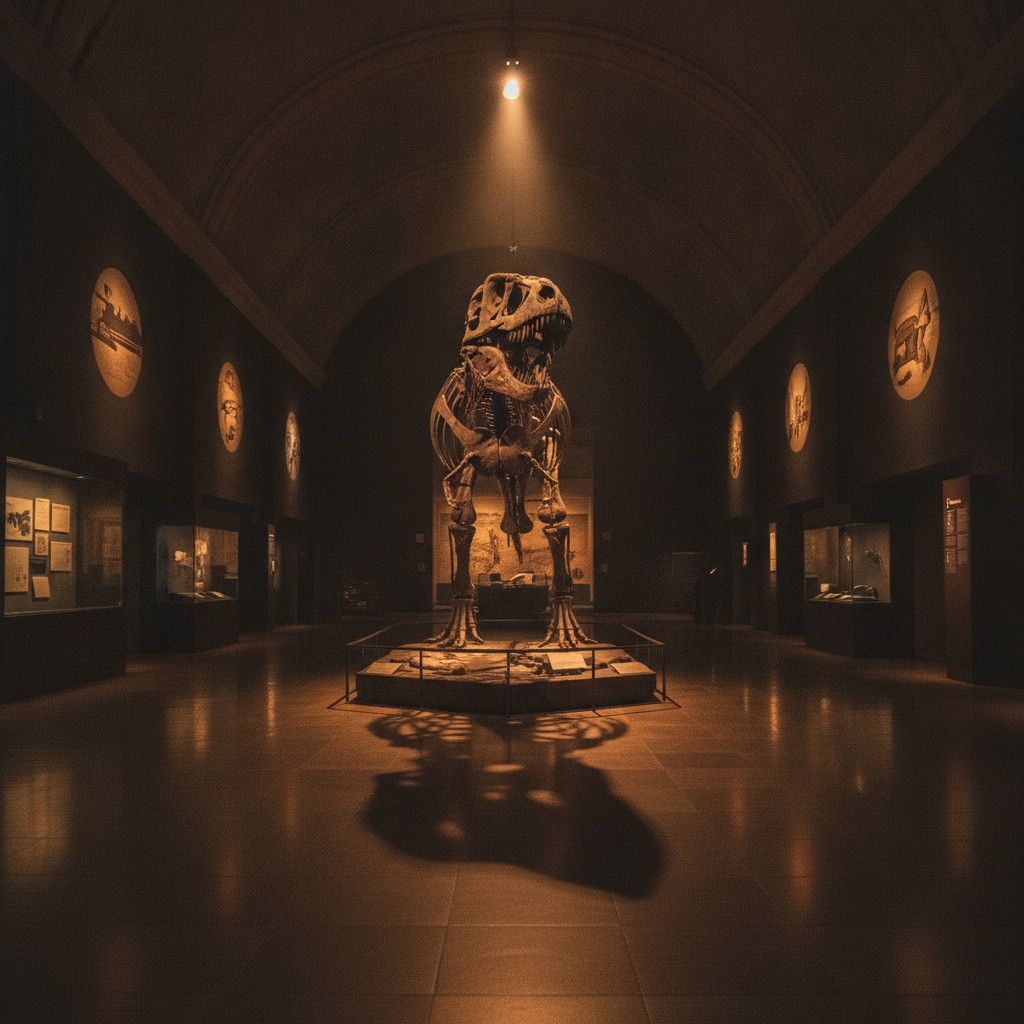
A museum hall after hours — sculpture and framed works under low, warm light Plate III · The collection, after hours · still on duty
Gallery V
The exhibition report

What changes by the
end of the first season.

i.

Galleries get finished

The stamp collection pulls visitors through to the last room. The far wing stops being the quiet wing — it's the one stamp still missing from the set.

ii.

The story lands mid-wonder

The story happens in front of the bronze, at the height of the feeling — not in an email a week later. The next stop points at the wing the visitor just fell for.

iii.

Wall text is never wrong

A loan arrives, a date gets corrected, a specimen rotates out — edit the stop once and every phone in the building has it. Nothing waits on the printer.

Admissions

Priced like a program,
not a construction project.

Every plan opens with 14 days free on one gallery. Grow to the whole building when the stamps start moving people.

Admission · I

Field Kit

One gallery, fully alive.

$149/ mo
14-day free trial · no card needed
Start free trial
  • 1 venue · up to 10 waypoints
  • Core experience builder + AI-generated content
  • Audio, video, quizzes & badges
  • QR, NFC & GPS triggers
  • 14-day free trial
Chosen by most museums Admission · II

Expedition

The whole building, talking.

$299/ mo
14-day free trial
Start free trial
  • Up to 25 waypoints
  • Collectible stamps & badges
  • Multi-language + accessibility
  • Visitor analytics
  • More monthly visitors
Admission · III

Summit

Every wing, every block, no ceilings.

$599/ mo
14-day free trial
Start free trial
  • Unlimited waypoints
  • Every experience block
  • AI talking-head guide
  • Multiple editors
  • Higher usage limits
Business & Enterprise

Run Waypoints as infrastructure.

A professional museum deployment typically runs $1,500–$3,000/month — audio guides, translation and self-guided tours in one.

Business

from $1,000/ mo

Multiple venues, unlimited waypoints, more editors, and higher visitor volume.

Professional

from $2,500/ mo

More venues, higher usage limits, and more editors and analytics.

Enterprise

from $5,000/ mo

Unlimited venues, the highest visitor and usage limits, and priority processing.

Book a demo

Annual admission: two months free on any plan · cancel anytime

Index of questions

What museums ask before opening night.

Q. i

Do our visitors have to download an app?

+

No — and they never will. A visitor scans the QR code, taps the NFC mark, or follows a link, and the stop opens instantly in the phone's browser. Nothing to install, no account to create, no storage to free up in front of the fossil.

Q. ii

Where do the exhibit's answers actually come from?

+

Only from the documents your museum uploads — curatorial files, catalog records, conservation notes, docent scripts. The AI answers from your material and cites it. If something isn't in your files, the exhibit says so honestly rather than guessing from the open web.

Q. iii

What happens when an exhibit rotates or a loan arrives?

+

Edit the stop once in the Studio and it's live at the frame in seconds — the label, the narration, the quiz, the stamp, every translation. No reprinted wall labels, no stickers over old dates, no waiting on the sign shop.

Q. iv

Can it speak to international visitors?

+

Yes. Narration and answers switch to the visitor's language with one tap — the same story, the same sources, in Spanish, Mandarin, Portuguese, French, and dozens more. One catalogue, every audience.

Closing plate
The collection is ready

Your galleries are full of stories.
Give them a voice by Friday.

Upload one gallery's files today. Walk your own halls tomorrow and ask the bronze how it got here.

14 days free · no card · nothing to install for your visitors, ever